Foundation Leveling & Settling Repair in Ottawa, Ontario

Foundation Repair Experts levels settling foundations and slabs throughout Ottawa, Ontario.

Get your free quote

Tell us about your project and we will get back to you within 24 hours.

What can we help with?

So the right crew reviews your project.

Response within one business day. No obligation.

Signs of an Uneven or Settling Foundation

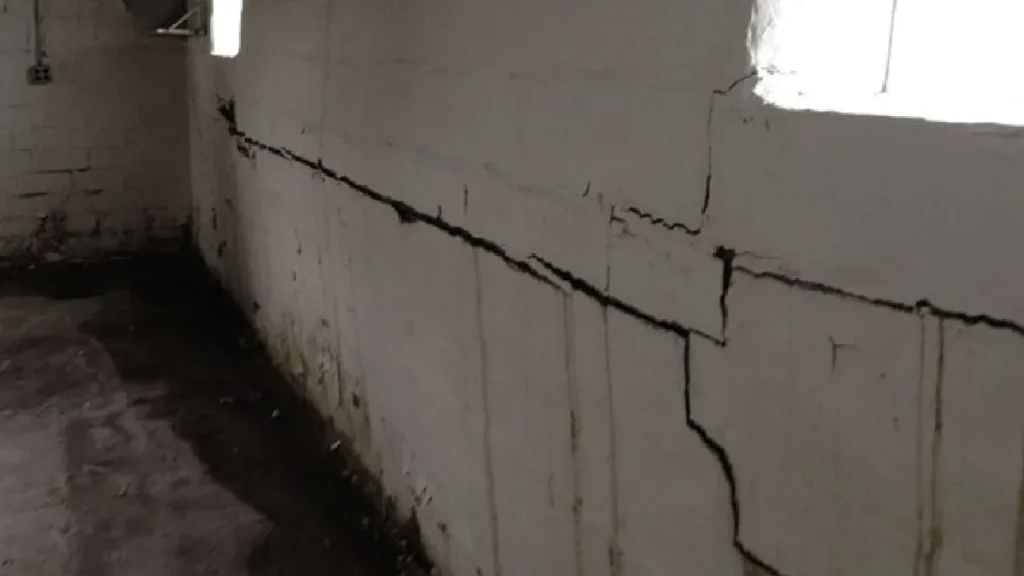
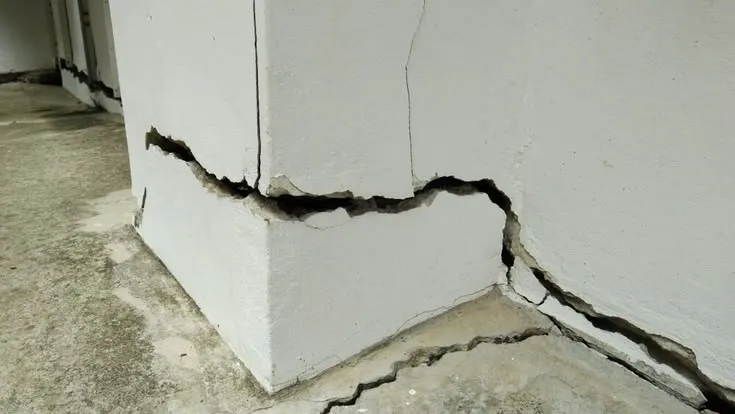
Settling shows up in predictable ways: doors and windows that stick or won’t latch, floors with a noticeable slope, diagonal cracks over doorways, and gaps opening up between the wall and the ceiling or floor trim. It rarely happens overnight – most of the settling we’re called out for has been building for years, often tied to the clay-heavy soil common across parts of Ottawa expanding and contracting with the seasons.
Helical Pier Leveling

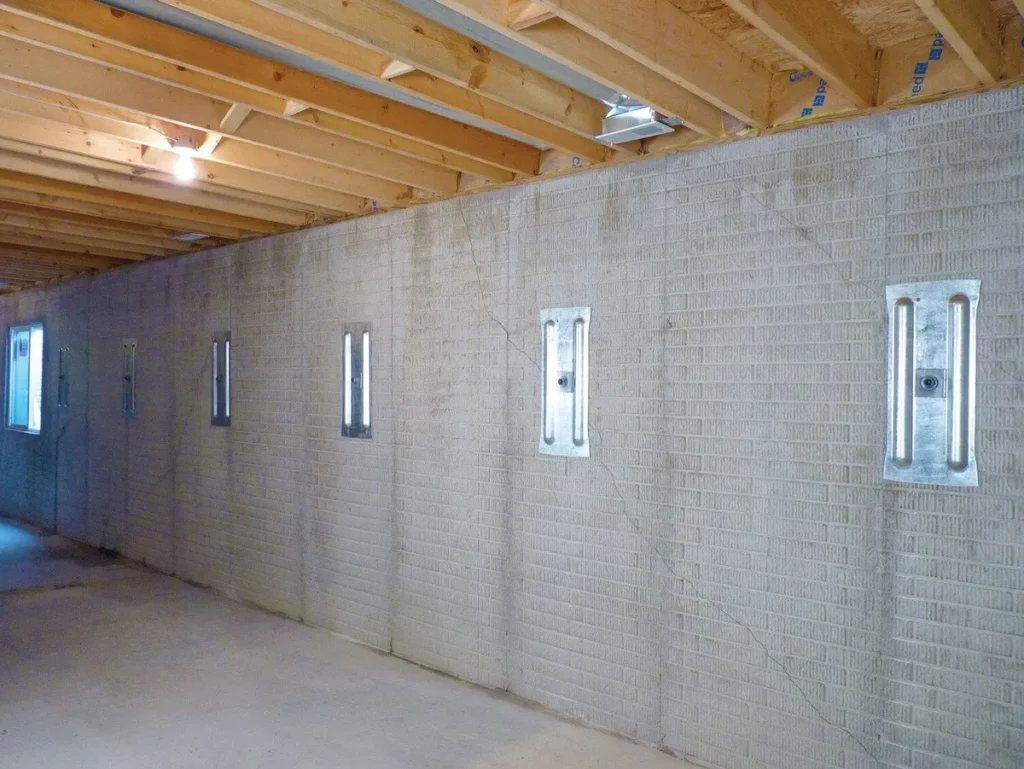
Helical piers are screwed down to load-bearing soil or bedrock beneath the settled section, then used with hydraulic jacks to lift the foundation back toward level before locking it onto the pier system. It’s the standard approach for a settling foundation wall or corner, and can often recover a meaningful portion of the lost elevation without a full underpinning job.

Helical vs. Push Piers for Foundation Leveling

Helical piers are mechanically screwed into the soil to a load-bearing depth and work well in a wider range of soil types, including the clay found across parts of Ottawa. Push piers are driven hydraulically using the weight of the structure itself as resistance, which typically means they need a heavier structure above to seat properly. Both systems attach to steel brackets at the footing and can lift a settled section back toward level, and we choose between them based on soil conditions and the load involved rather than a default preference.

Slab Piering for Foundation Leveling

Garage & Basement Slabs

Slab piers support a sunken interior slab separately from the perimeter foundation.

Exterior Walkways & Steps

Concrete flatwork that has sunk relative to the house can be piered or re-poured.

Partial vs. Full Lift

We aim for a realistic, stable lift rather than forcing a slab back to perfectly flat.

Foundation Leveling Cost and What Affects It

Helical or push piers typically run $1,200 to $2,500 per pier, and most homes needing this kind of stabilization require somewhere between 8 and 15 piers depending on the size of the settled section and the load being supported. Soil conditions at the specific pier locations, depth to load-bearing strata, and access for the equipment used to install the piers all factor into the final count and price, which is confirmed after a site assessment rather than estimated from a phone call.

What to Watch for After Foundation Leveling

A properly leveled foundation should hold its new position, but it is still worth checking door and window operation and floor slope over the following year, especially through the first spring thaw. Minor seasonal movement of a few millimetres is normal in Ottawa’s clay soil and is not a sign the leveling failed. If a section that was leveled starts sloping again in the same spot, that points to an unresolved drainage or soil issue underneath rather than a problem with the piers themselves, and is worth a follow-up assessment.

Signs a Foundation Needs Leveling, Not Just Patching

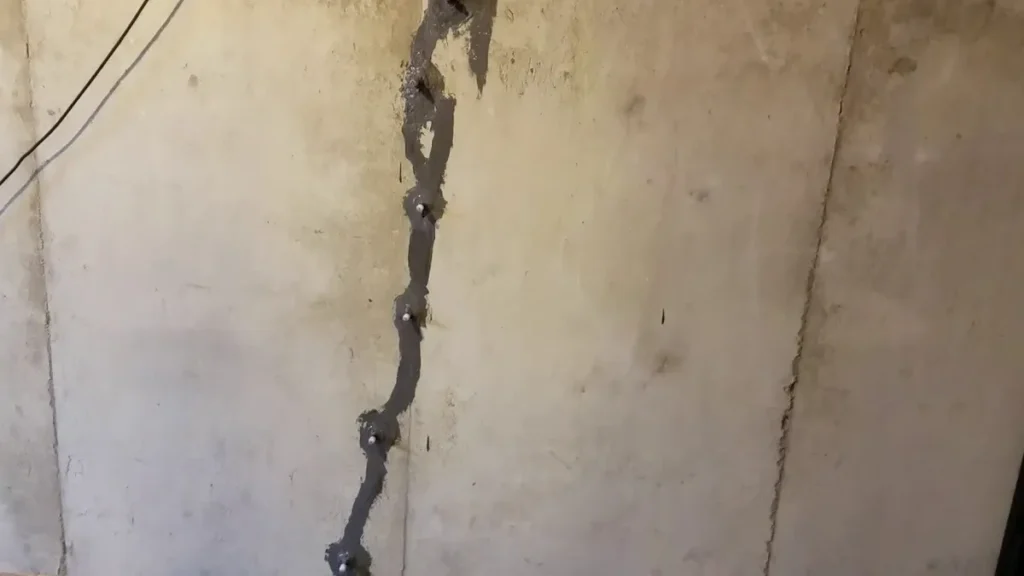
Doors and windows that stick or won’t latch, floors with a noticeable slope, and gaps forming between a wall and the ceiling or floor trim are all signs that a foundation has settled unevenly rather than simply cracked. Patching a crack on a foundation that’s still settling only addresses the visible symptom. Leveling corrects the underlying elevation problem, which is why we check for these signs during any crack or wall assessment, not just when leveling is the reason for the call. Leveling is typically done gradually, in small increments over multiple visits for a larger lift, since raising a foundation too quickly can crack finishes, plumbing, or the structure itself.

How Much Foundation Lift Is Realistic

Depends on settling history

A section that has settled for decades won't fully reverse, but movement can be stopped and partially recovered.

Piers stabilize first

Stopping further movement is the priority; lift is a secondary benefit where the soil allows it.

Assessed before quoting

We give you a realistic expectation before any work starts, not an inflated promise.

Our Process

How Foundation Leveling Works

1

Call or Request an Assessment

Tell us what you're seeing and where it is on the property.

2

On-Site Assessment

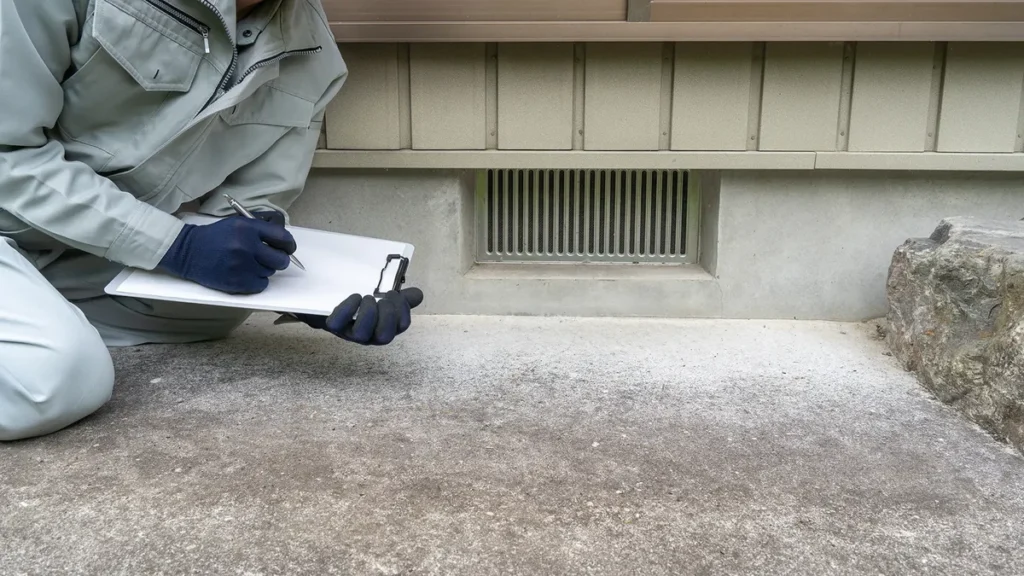
We inspect the affected area, confirm the cause, and check whether it's still active.

3

Written Quote

A specific scope of work and price in writing before we schedule anything.

4

Repair & Final Walkthrough

Work is carried out to the agreed scope, then we review it with you and confirm it matches the quote.

Frequently asked questions

How do I know if my foundation is settling?

Sticking doors and windows, sloping floors, and diagonal cracks over openings are the most common signs. An assessment confirms whether it's active or historical.

Can a settled foundation be fully re-leveled?

Some elevation can usually be recovered, but a foundation that has settled unevenly for years rarely returns to perfectly level. Stopping further movement is the main goal.

Is foundation leveling the same as underpinning?

No. Leveling uses piers to lift and stabilize a settling section; underpinning adds depth to the footing. Some jobs use both.

How long does pier-based leveling take?

A typical residential job takes one to a few days per affected section, depending on the number of piers needed and site access.

How much can a settled foundation actually be lifted?

It depends on how much settling has occurred and the soil conditions, but the goal is meaningful improvement toward level, not necessarily a perfect return to original grade in every case.

Do I need piers around the whole foundation or just the settled section?

Usually just the settled section – piers are placed where settlement has actually occurred, confirmed by the on-site assessment, not the full perimeter by default.

Noticing Signs You Need Foundation Leveling?

Get a free assessment before the settling gets worse.

Back to top